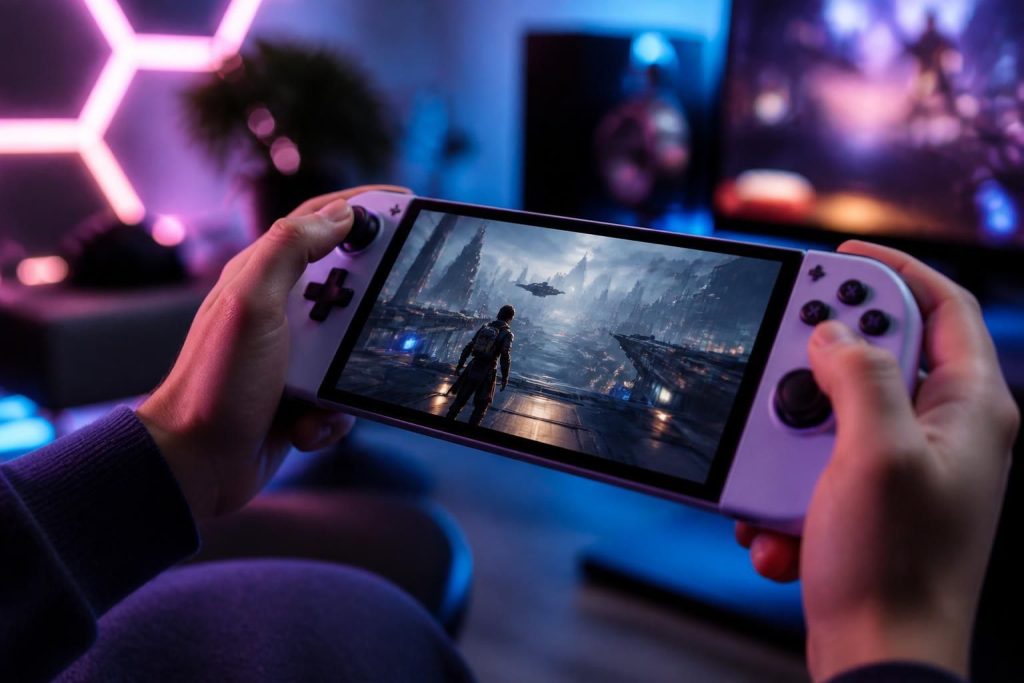
The future of handheld gaming promises to be a dynamic arena, combining emerging technology with evolving player expectations. As gaming becomes increasingly integrated into everyday life, the handheld sector is poised for transformation. With advancements in hardware, software, and connectivity, we can anticipate a significant shift in how players interact with games on the go. From improved graphics to social integration, the upcoming years are set to redefine what handheld gaming means for both casual and hardcore gamers alike.
Technological Advancements Enhancing Handheld Gaming
One of the most significant catalysts for the future of handheld gaming is the rapid advancement in technology. Innovations in processing power and graphics capabilities are enabling devices to run games that were once limited to home consoles. For instance, manufacturers are increasingly incorporating powerful processors that rival those found in desktop computers, allowing for richer and more immersive gaming experiences.
Furthermore, advancements in display technology are making handheld devices more appealing. High-resolution screens, coupled with OLED technology, provide vibrant colors and deeper blacks, enhancing the visual fidelity of games. Companies are also exploring flexible display technology, which could lead to devices that are not only more portable but also capable of exciting new form factors.
Cloud Gaming: A Game Changer
Another pivotal trend is the rise of cloud gaming, which could significantly impact the future of handheld gaming. Platforms that support cloud gaming allow users to stream games directly to their devices without needing to download substantial files. This means players can access a vast library of titles from anywhere, provided they have a stable internet connection.
Such flexibility opens doors for more casual gamers who may not want to invest in a large collection of games. It also has the potential to level the playing field, making high-quality gaming accessible to a broader audience. With major players like Microsoft, Google, and NVIDIA investing in cloud technologies, the market for handheld gaming is likely to expand dramatically, enabling players to enjoy console-quality games on their smartphones and dedicated handheld devices.
Integration of Social Features and Online Connectivity
The future of handheld gaming is not just about individual experiences but also about social connectivity. As gaming increasingly becomes a social activity, manufacturers are incorporating features that enhance multiplayer interactions. For example, the integration of social media platforms and real-time communication tools within games allows users to share experiences and compete with friends seamlessly.
Additionally, the rise of esports is influencing handheld gaming. Many gamers seek competitive experiences that were once the domain of consoles or PCs. As more tournaments embrace mobile and handheld formats, we can expect to see increased investment in mobile esports, leading to specialized devices optimized for competitive play. For more on this topic, see สล็อต.
The Impact of Augmented and Virtual Reality
Augmented reality (AR) and virtual reality (VR) are becoming significant elements in gaming, and their integration into handheld devices is on the horizon. AR experiences, such as those seen in popular titles like Pokémon GO, demonstrate the potential for handheld gaming to blend the digital and physical worlds.
As technology continues to advance, we can anticipate dedicated handheld devices capable of delivering immersive VR experiences. Companies are already experimenting with lightweight, all-in-one VR headsets, and as battery life improves, the feasibility of portable VR gaming will increase. This shift may redefine gaming experiences, allowing players to enjoy fully interactive environments wherever they go.
Shifts in Consumer Preferences and Gaming Culture
The future of handheld gaming is also shaped by changing consumer preferences. As more players gravitate towards mobile gaming, developers are adapting their strategies to meet the desires of this demographic. There is a noticeable trend towards games that are enjoyable in short bursts, catering to the lifestyles of players who may engage with handheld gaming during commutes or breaks.
This shift has also led to the rise of indie game developers, who are creating innovative titles specifically for handheld platforms. The accessibility of game development tools has resulted in a rich tapestry of creative content, often prioritizing unique gameplay mechanics and storytelling over high-budget production values. Such diversity enriches the gaming landscape and ensures that handheld devices continue to attract a wide range of players.
Conclusions: The Path Ahead for Handheld Gaming
Looking ahead, the future of handheld gaming seems bright and full of potential. With rapid technological advancements, the integration of cloud gaming, enhanced social connectivity, the promise of AR and VR, and evolving consumer preferences, handheld gaming is set for a renaissance. As the industry adapts to these emerging trends, players can anticipate exciting new experiences that extend beyond traditional boundaries. The handheld gaming landscape will continue to evolve, promising innovative gameplay and deeper connections among players in the years to come.